اختيار خرطوم السيليكون للسيارات يتطلب أكثر من مجرد مطابقة القطر الداخلي. يجب على المشترين التحقق من وسط التشغيل، ودرجة الحرارة المستمرة والقصوى، وضغط العمل، ونبضات الضغط، وهندسة الخرطوم، وتصميم التعزيز، وطريقة التوصيل، وبيئة التركيب قبل تقديم الطلب.
يوضح هذا الدليل كيفية استخدام خراطيم السيليكون في السيارات والشاحنات والمركبات التجارية؛ ومتى يكون السيليكون مادة مناسبة؛ وما هي المعلومات الفنية التي يجب تقديمها للحصول على عرض سعر؛ والعوامل التي تؤثر على تسعير خراطيم السيليكون للسيارات. كما يوضح القيود المهمة، خاصة بالنسبة للوقود والزيت والوسائط الكيميائية وتطبيقات مركبات الطاقة الجديدة المتخصصة.
بالنسبة للموزعين وتجار الجملة وموردي ما بعد البيع وفرق المشتريات في الشركات المصنعة للمعدات الأصلية (OEM)، فإن عملية التوريد الأكثر موثوقية بسيطة: حدد التطبيق أولاً، وتحقق من مادة الخرطوم وهيكله ثانياً، وقارن عروض الأسعار فقط بعد مواءمة المواصفات.
ما هو خرطوم السيليكون للسيارات؟
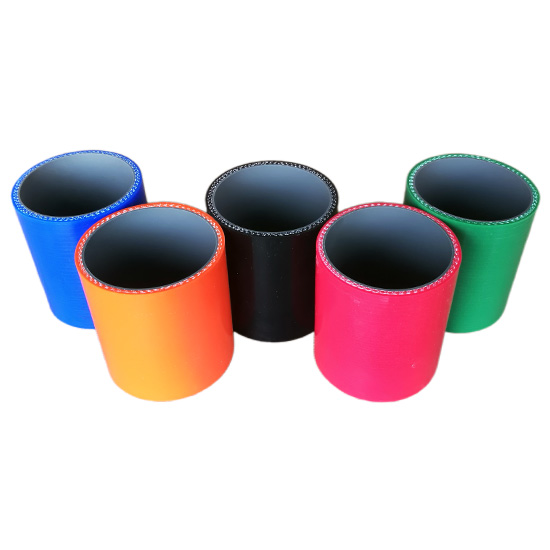
خرطوم السيليكون للسيارات هو خرطوم مرن مصنوع بشكل أساسي من مطاط السيليكون وغالباً ما يتم تعزيزه بطبقة نسيجية واحدة أو أكثر. قد يعمل التعزيز على تحسين قدرة تحمل الضغط، ومقاومة التمدد، والاستقرار الأبعادي، والمتانة أثناء الاهتزاز والدورات الحرارية المتكررة.
يُستخدم مطاط السيليكون على نطاق واسع في تطبيقات خراطيم حجرة المحرك لأنه يوفر عموماً مقاومة جيدة لدرجات الحرارة المرتفعة، والأوزون، والتعرض للأشعة فوق البنفسجية، والرطوبة، وتقادم الطقس. وفي التطبيقات المناسبة، يمكنه الحفاظ على المرونة والاستقرار الهيكلي خلال دورات التسخين والتبريد المتكررة.
ومع ذلك، فإن السيليكون ليس مادة شاملة لكل سوائل أو غازات السيارات. عادة ما يكون خرطوم السيليكون القياسي مناسباً للهواء، والفراغ، والعديد من التطبيقات المتعلقة بسائل التبريد، ولكن لا ينبغي اختياره تلقائياً للتلامس المستمر مع البنزين، أو الديزل، أو زيت المحرك، أو مواد التشحيم، أو غيرها من الوسائط القائمة على الهيدروكربونات.
بالنسبة للتطبيقات التي تتضمن تلامساً مع الوقود أو الزيت أو المواد الكيميائية، قد يحتاج المشترون إلى نظام مواد متخصص، مثل هيكل مبطن بالفلوروكربون، أو فلوروسيليكون، أو مركب آخر تم التحقق من صلاحيته للوسط وظروف الخدمة المطلوبة.
تعد خراطيم التبريد والتدفئة من أكثر خراطيم السيليكون شيوعاً للسيارات. فهي تنقل سائل التبريد بين المكونات مثل الرادياتير، والمحرك، ومضخة المياه، وخزان التمدد، وقلب المدفأة، وأجزاء أخرى من دائرة التبريد.
قد تتعرض هذه الخراطيم لدرجات حرارة عالية لسائل التبريد، وتقلبات الضغط، واهتزاز المحرك، والدورات الحرارية طويلة الأمد. يعتمد هيكل الخرطوم الصحيح على منصة المركبة، وتركيبة سائل التبريد، وقطر الخرطوم، ومتطلبات الضغط، وهندسة المسار، وعمر الخدمة المتوقع.
يجب تقييم توافق سائل التبريد مقابل التركيبة الفعلية وظروف التشغيل بدلاً من الحكم عليها فقط من خلال ملصقات مثل OAT أو HOAT أو IAT. يمكن أن يؤثر تركيز الجليكول، وكيمياء الإضافات، ودرجة الحرارة، ودورات الضغط، ومتطلبات التحلل الكهروكيميائي، وفترات الصيانة على اختيار المواد.
بالنسبة لمشاريع سائل التبريد، يجب على المشترين تحديد مواصفات العميل المعمول بها أو متطلبات الصناعة. يُشار عادةً إلى معيار SAE J20 للخراطيم المرنة والمعززة المستخدمة في أنظمة تبريد المحرك القائمة على الماء وإيثيلين جليكول، ولكن يجب تأكيد الامتثال لكل تصميم خرطوم محدد وحالة اختبار.
أنظمة التيربو والسحب وCAC
تعرض محركات التيربو أنظمة الخراطيم لدرجات حرارة عالية، وتغيرات في الضغط، واهتزاز، ونبضات تدفق الهواء. تُستخدم خراطيم التيربو السيليكونية، وخراطيم السحب، وخراطيم CAC بشكل شائع لتوصيل الشاحن التوربيني، أو المبرد البيني (الإنتركولر) أو مبرد هواء الشحن، وأنابيب السحب، ومشعب السحب.
CAC تعني مبرد هواء الشحن (Charge Air Cooler). يحمل خرطوم CAC هواء سحب مضغوطاً، لذا يجب اختيار هيكله بناءً على الضغط المطلوب، ودرجة الحرارة، والقطر، ومستوى التعزيز، ونصف قطر الانحناء، وتصميم التوصيل.
عند توريد خراطيم التيربو أو CAC، قدم ضغط العمل العادي، والحد الأقصى لضغط الذروة، ودرجة حرارة الوسط، ودرجة الحرارة المحيطة، والقطر الداخلي، والقطر الخارجي، وطول الخرطوم، وزاوية الانحناء، والحد الأدنى لنصف قطر الانحناء، وهندسة الطرف، ونوع المشبك، ومساحة التركيب المتاحة.
خطوط الفراغ والأقطار الصغيرة
يُستخدم خرطوم الفراغ السيليكوني بشكل شائع لخطوط الفراغ، وخطوط التحكم، وتطبيقات توجيه الهواء ذات القطر الصغير في حجرات المحرك. يمكن لمرونته أن تبسط التوجيه في المساحات الضيقة وتساعد في استيعاب اهتزاز المركبة والحركة الحرارية.
قبل اختيار خرطوم الفراغ، تأكد من مستوى الفراغ، ونطاق درجة الحرارة، وتفاوت القطر الداخلي، وسمك الجدار، ومسار التوجيه، ووجود رذاذ الزيت، أو بخار الوقود، أو البخار الكيميائي. حيثما توجد هذه الأبخرة، يجب تقييم توافق المواد قبل الاستخدام.
متطلبات خراطيم السيليكون للشاحنات
غالباً ما يتطلب خرطوم السيليكون للشاحنات التعامل مع أقطار أكبر، ووقت تشغيل ممتد، وأحمال محرك عالية، واهتزاز، وظروف صعبة لهواء الشحن أو أنظمة التبريد. تشمل برامج خراطيم الشاحنات والمركبات التجارية عادةً خراطيم الرادياتير، وخراطيم التدفئة، ووصلات التيربو، وخراطيم المبرد البيني، وتجميعات خراطيم CAC.
لا ينبغي اختيار خراطيم المركبات التجارية ذات القطر الكبير بناءً على الحجم الاسمي فقط. يمكن أن يتأثر أداؤها بسمك الجدار، ومادة التعزيز وعدد الطبقات، وزاوية التعزيز، ووزن الخرطوم، وتصميم الدعم، وحمل المشبك، وضغط التشغيل، ونبضات الضغط، وهندسة المسار.
بالنسبة لمشروع خرطوم سيليكون مخصص للشاحنات، يجب أن يتلقى المورد رسماً، أو عينة، أو رقم مرجع OEM، أو معلومات أبعاد كاملة. يجب أن يحدد الطلب أيضاً الوسط، ونطاق درجة الحرارة، والضغط العادي والذروة، ومتطلبات التعزيز، وطريقة التوصيل، والحجم السنوي المتوقع، ومتطلبات التعبئة، ومعايير الاختبار المطلوبة.
اختيار الخرطوم المناسب
يبدأ اختيار خرطوم السيليكون الموثوق للسيارات بتعريف كامل للتطبيق. الخرطوم الذي يعمل بشكل جيد في دائرة التبريد قد لا يكون مناسباً للوقود أو الزيت أو الفراغ العالي أو الخدمة التي تتطلب متطلبات كيميائية.
بالنسبة للخراطيم المصبوبة وبرامج الإنتاج المتكرر، غالبًا ما يكون الرسم الهندسي أو العينة المادية أسرع طريقة لتأكيد الهندسة ومنع سوء الفهم.
خرطوم السيليكون للسيارات مقابل الخرطوم المطاطي
يجب أن يعتمد الاختيار بين السيليكون والمطاط التقليدي على التطبيق، وليس على افتراض عام بأن مادة واحدة هي الأفضل دائمًا. غالبًا ما يكون السيليكون خيارًا قويًا لتطبيقات سائل التبريد عالي الحرارة، والسخان، والسحب، والتيربو، وCAC، وتطبيقات التفريغ نظرًا لمقاومته للتقادم الحراري والظروف البيئية.
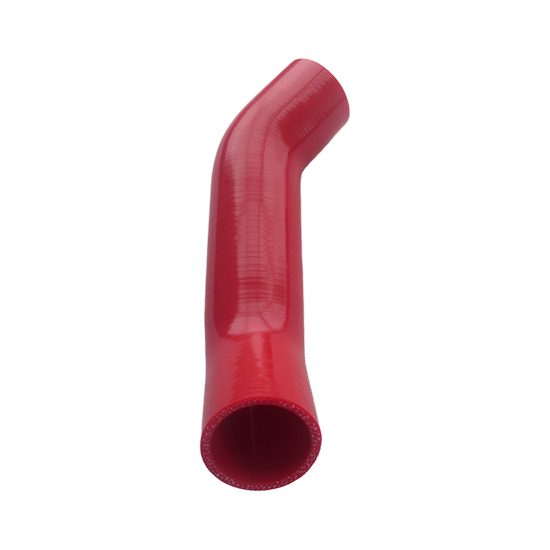
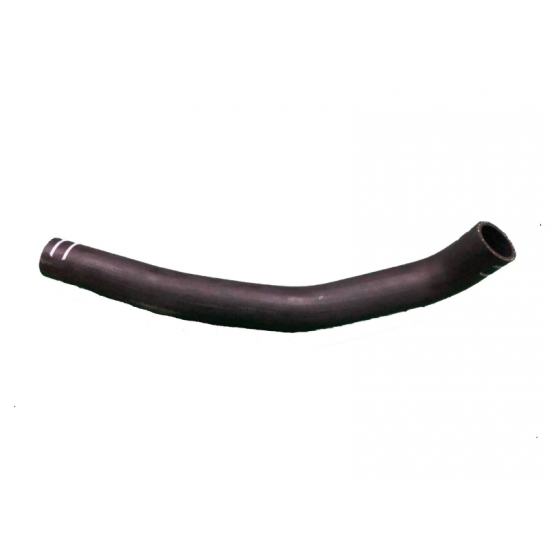
قد تكون مركبات المطاط التقليدية أكثر ملاءمة حيث يتعرض الخرطوم لوقود أو زيوت أو مواد كيميائية معينة. في هذه التطبيقات، يكون المركب الصحيح، والبطانة، والتعزيز، وطريقة التحقق أكثر أهمية من اسم المادة وحدها.
يجب على المشترين مقارنة الخراطيم باستخدام مواصفات مكافئة: الوسط المعتمد، وتصنيف درجة الحرارة، وضغط التشغيل، وضغط الانفجار، ومتطلبات النبض، والأبعاد، والتعزيز، وظروف الخدمة المتوقعة، ومتطلبات الاختبار.
ما الذي يؤثر على سعر خرطوم السيليكون للمركبات؟
يعتمد سعر خرطوم السيليكون للمركبات على المواصفات الفنية وليس على مظهر الخرطوم وحده. يمكن أن يكون لخرطومين لهما أقطار متشابهة تكاليف مختلفة بشكل كبير عندما تختلف موادهما، وتعزيزهما، وهندستهما، ومتطلبات الاختبار، وأحجام الطلبات.
تشمل عوامل التسعير الرئيسية درجة مركب السيليكون، والقطر الداخلي والخارجي، والطول، وسمك الجدار، وعدد ونوع طبقات التعزيز، والتصميم المستقيم أو المصبوب، والأدوات المخصصة، واللون، والطباعة، والتغليف، ومتطلبات الاختبار، والوثائق المتعلقة بالشهادات، وكمية الطلب.
على سبيل المثال، عادة ما يكون لخرطوم سائل التبريد المستقيم القياسي هيكل تكلفة مختلف عن خرطوم CAC المصبوب متعدد الطبقات المصمم لمركبة تجارية. قد يتطلب المنتج الثاني أدوات مخصصة، وهيكل تعزيز أكثر تعقيدًا، وتحكمًا أكثر صرامة في الأبعاد، وتحققًا خاصًا بالمشروع.
للحصول على سعر دقيق لخرطوم السيليكون للمركبات، أرسل للمورد الرسم أو العينة، والأبعاد الفنية، ووسط التشغيل، ومتطلبات درجة الحرارة والضغط، والكمية المتوقعة، والسوق المستهدف، واحتياجات التغليف، وأي معايير اختبار مطلوبة.
لماذا العمل مع SUNRISE؟
تقوم SUNRISE بتصنيع حلول خراطيم السيليكون لتطبيقات السيارات والمركبات التجارية، بما في ذلك خراطيم سائل التبريد، وخراطيم السخان، وخراطيم التيربو، وخراطيم CAC، وخراطيم السحب، وخراطيم التفريغ، ومنتجات خراطيم السيليكون المصبوبة المخصصة.
تعمل SUNRISE بموجب أنظمة إدارة الجودة المعتمدة IATF 16949 و ISO 9001. تثبت هذه الشهادات أن الشركة قد أنشأت عمليات منهجية لإدارة الجودة ذات صلة بتصنيع سلسلة توريد السيارات.
ومع ذلك، فإن شهادة نظام إدارة الجودة لا تعني تلقائيًا أن كل تصميم خرطوم معتمد لكل منصة مركبة أو حالة تشغيل. يجب تأكيد ملاءمة المنتج النهائي من خلال رسومات المشروع، واختيار المواد، ومتطلبات الاختبار، ومواصفات العميل، وإجراءات التحقق المعمول بها.
بالنسبة لمشاريع المعدات الأصلية (OEM)، وما بعد البيع، والبيع بالجملة، والتوزيع، يمكن لـ SUNRISE تقييم متطلبات الخراطيم المخصصة بناءً على الرسومات الفنية، والعينات، والأبعاد، ووسائط التشغيل، ودرجات الحرارة، والضغوط، وطرق التوصيل، وتفاصيل المظهر أو التغليف المطلوبة.
الخلاصة
يتم اختيار خرطوم السيليكون المناسب للسيارات من خلال مطابقة المادة والهيكل مع بيئة الخدمة الفعلية. يمكن أن تكون خراطيم السيليكون خيارًا فعالًا لتطبيقات سائل التبريد، والسخان، والسحب، والتيربو، وCAC، والتفريغ، بينما تتطلب تطبيقات الوقود والزيت والمواد الكيميائية وتطبيقات الطاقة الجديدة المتخصصة مراجعة التوافق الخاصة بالمشروع.
سواء كنت تبحث عن خراطيم سيليكون للسيارات، أو وصلة هواء شحن لمركبة تجارية، أو خرطوم سيليكون مخصص للشاحنات، ابدأ بمعلومات فنية كاملة. سيساعد الرسم، والعينة، ورقم OEM، ووسط التشغيل، ونطاق الضغط، ونطاق درجة الحرارة، والأبعاد، والكمية المقدرة شركة SUNRISE في التوصية بهيكل خرطوم مناسب وإعداد عرض سعر واضح.
اتصل بـ SUNRISE بمتطلباتك الفنية لمناقشة حل خرطوم سيليكون مخصص للسيارات وطلب عرض سعر قائم على المشروع.
sales@siliconehose-china.com
Sunrise Silicone Hose Co., Limited


عنوان : Suite 805, No. 341 Jiahe Road, Xiamen City, Fujian Province, China
بريد الالكتروني : sales@siliconehose-china.com