Choosing between silicone and
nitrile rubber hose requires more than comparing temperature ratings or prices. The wrong material may deteriorate when exposed to fuel, compromise sealing, or fail to meet operating requirements. For automotive and industrial buyers, understanding the differences is essential when selecting a hose for fuel transfer.
This guide compares both materials, explains the fuel resistance of nitrile rubber, and outlines key considerations when sourcing a hose for ethanol-blended gasoline.
Key Takeaways
-
Silicone hose is valued for heat resistance, while standard silicone is generally unsuitable for direct fuel transfer.
-
Nitrile rubber is commonly used in applications requiring resistance to petroleum-based fuels and oils.
-
Compatibility with ethanol-blended gasoline depends on the rubber compound and finished hose construction.
-
Product specifications and relevant test data should guide final selection.
Silicone Hose vs Nitrile Hose: Key Differences
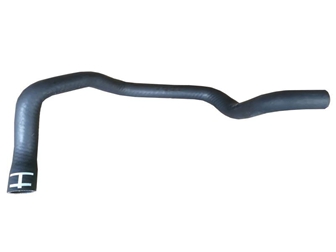
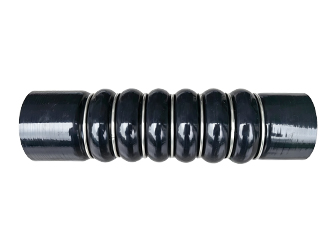
Silicone rubber and nitrile butadiene rubber (NBR) serve different application needs. Silicone offers flexibility, heat resistance, and good resistance to ozone and weathering. NBR is commonly used for fuel and oil transfer because suitable formulations can resist many petroleum-based fluids.
|
Property
|
Silicone Hose
|
Nitrile Rubber Hose
|
Temperature resistance
|
Generally suitable for a broad range of temperatures, depending on the formulation
|
Depends on the compound and construction
|
Fuel compatibility
|
Standard silicone has limited suitability for direct fuel contact
|
Often suitable for specified fuels
|
Oil resistance
|
Depends on the formulation and fluid
|
Commonly a key advantage
|
Ozone resistance
|
Generally good
|
Often more limited
|
Typical applications
|
Heat-exposed air, coolant, and specialized fluid systems
|
Specified fuel and oil transfer applications
|
These characteristics are general guidelines rather than guaranteed ratings for every finished hose. Reinforcement, inner-layer materials, and construction also affect performance.
In general, silicone hose is worth considering when heat, ozone, and weathering resistance are priorities. Nitrile rubber hose is often a better starting point for applications involving petroleum-based fuels or oils. However, neither material should be selected based on these general characteristics alone. The finished hose must be compatible with the intended fluid and meet the application's temperature, pressure, and durability requirements.
Specialized silicone hoses may also use a fuel-resistant inner lining to improve compatibility with specified fluids. SUNRISE offers FKM-lined silicone hose for designated fuel and oil applications. This illustrates why the complete hose construction matters more than the outer material alone.
Is Nitrile Rubber Fuel Resistant?
Yes. Nitrile rubber is widely used in fuel and oil applications because suitable NBR compounds can resist many petroleum-based fluids. However, resistance varies with the formulation, fuel chemistry, temperature, and exposure duration.
Fuel contact may cause several changes:
-
Swelling: Absorption can change the rubber's dimensions and affect sealing.
-
Hardness changes: The material may become softer or harder, affecting flexibility.
-
Mechanical changes: Tensile strength and elongation may decline after exposure.
-
Permeation: Fuel vapor may pass through the hose wall, which matters in applications with specific emissions or safety requirements.
When sourcing a
fuel resistant nitrile hose, buyers should verify compatibility with the intended fluid rather than relying on the material name alone. A general claim of fuel resistance does not confirm compatibility with every gasoline formulation, diesel fuel, or ethanol blend. Check the manufacturer's compatibility data for the specific fuel and operating conditions involved.
How to Choose a Nitrile Rubber Fuel Hose for Ethanol Blends
Ethanol-blended gasoline requires additional compatibility checks. A hose suitable for conventional gasoline should not automatically be considered suitable for every ethanol blend.
For example, E10, E15, and E85 contain different proportions of ethanol. These differences can affect how a rubber compound responds to prolonged fuel exposure. Changes in volume, hardness, tensile strength, and elongation may affect hose fit, sealing, and durability.
Do not assume that an NBR hose suitable for conventional gasoline will also perform reliably with E10, E15, E85, or other ethanol blends. Compatibility depends on the specific rubber compound and finished hose construction. Before purchasing, confirm that the manufacturer's documentation covers the intended fuel blend and service conditions.
When evaluating a nitrile rubber fuel hose for ethanol-blended gasoline, buyers should consider four factors.
1. Identify the fuel blend.
Confirm whether the application uses conventional gasoline, E10, E15, E85, or another fuel formulation. Compatibility with one blend does not establish compatibility with another.
2. Verify the compound.
NBR formulations differ in their response to individual fuels. Request documentation relevant to the intended blend instead of relying on a general fuel-resistance claim.
3. Check operating conditions.
Review service temperature, working pressure, exposure duration, and fuel permeation requirements. Long-term exposure and repeated temperature changes may produce different results from short-term immersion.
4. Review test evidence.
Where compatibility is critical, check whether the manufacturer has relevant test data or documentation covering the actual fuel and service conditions. If the application requires a specific industry standard, verify that the finished hose meets that requirement.
What Should Buyers Check Before Purchasing?
Beyond material compatibility, a suitable nitrile rubber hose must meet the application's dimensional and operating requirements. When sourcing a nitrile rubber fuel line, buyers should evaluate four key areas.
-
Fuel compatibility: Confirm the intended fuel type and ethanol concentration, where applicable, and check the manufacturer's compatibility data.
-
Operating limits: Verify the finished hose's rated working pressure and temperature against the system requirements.
-
Dimensions and connections: Confirm inside diameter, outside diameter, length, and fitting compatibility.
-
Quality documentation: Review relevant product specifications, test data, inspection records, and consistency requirements.
Construction and durability also matter. Depending on the installation, buyers may need to consider reinforcement, abrasion exposure, aging, and fuel permeation. These requirements should reflect the actual application rather than assumptions based on the material name.
For application-specific options, review the SUNRISE Nitrile Rubber Fuel Hose range. Contact
SUNRISE to discuss the intended fuel, operating conditions, and product requirements before selecting a suitable option.
Frequently Asked Questions
What are the disadvantages of nitrile rubber?
Nitrile rubber may have limited resistance to ozone, outdoor weathering, and certain chemicals. Its temperature capability and fuel compatibility also vary by formulation. For applications involving significant outdoor exposure, extreme temperatures, or fluids outside its compatibility range, another material may be more suitable.
Can nitrile rubber hose be used with ethanol-blended gasoline?
It depends on the specific NBR compound and finished hose construction. Compatibility with conventional gasoline does not automatically establish suitability for E10, E15, E85, or other ethanol blends. Buyers should verify the manufacturer's compatibility data for the intended fuel and operating conditions before use.